
Studio notes
Our first AI rap video test: photo, output and costs
See a real photo-to-rap test, the original input, a 15-second result, estimated model costs and the visual defects we found.
AI Rap Video Pro · Oct 23, 2026
What we actually tested
On October 23, 2026, we made an original orange-studio rap performance, then used a separate portrait to replace its performer. Both people are fictional adults generated for this project. The video below is the real output from that second model call, compressed for playback without retouching its visual defects or replacing its soundtrack.
This was an operator-run API experiment. It was not a completed customer checkout or a test of the whole private upload and download service. The public studio remains in preview while that workflow and the output quality are checked.
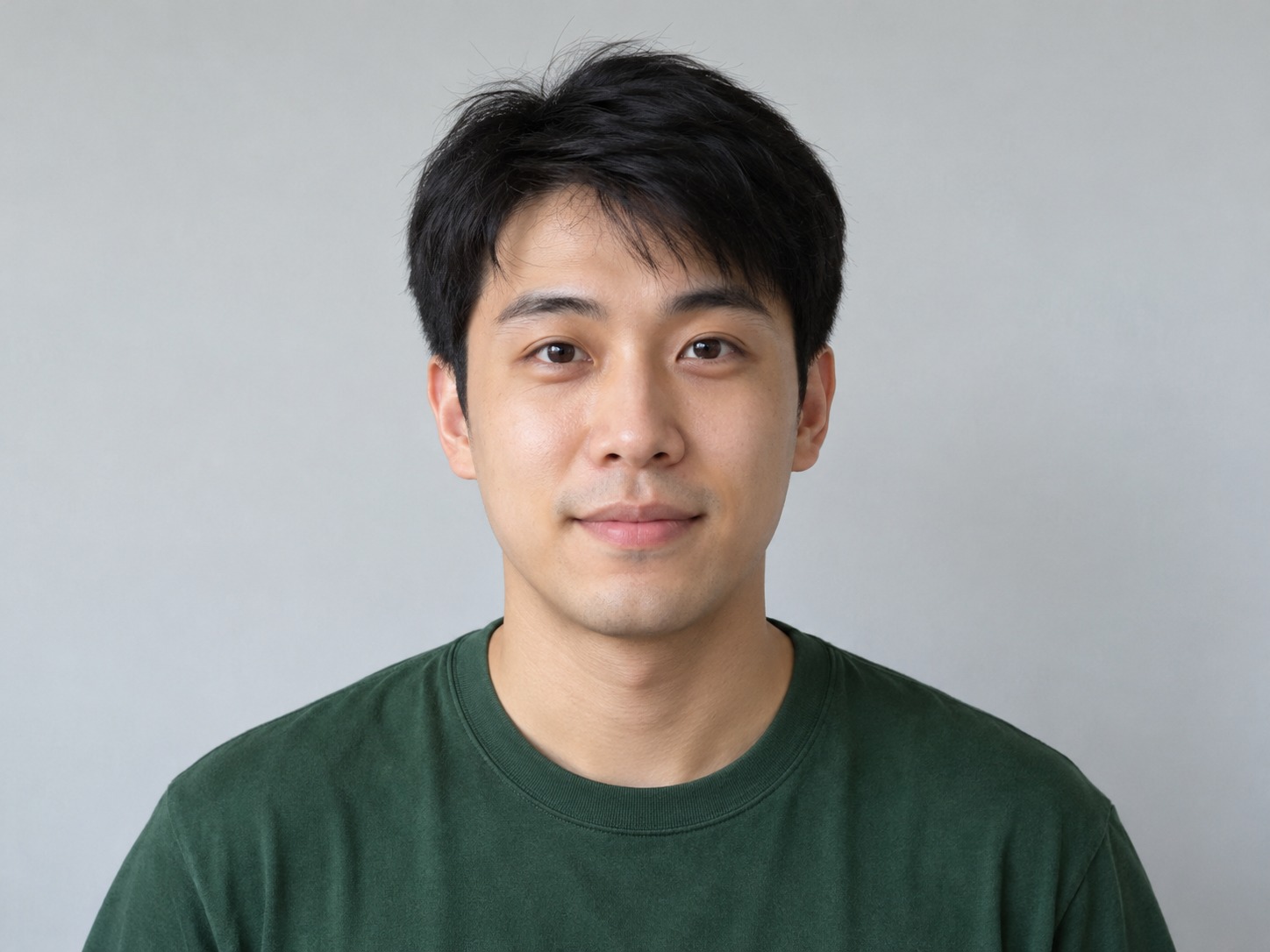
The two calls behind this clip
First, Seedance 2.0 Fast generated a solo performance from our fictional studio portrait and an original four-line English rap prompt. Its output contained a video track and audio. We normalized that reference locally to 15 seconds and 30 fps before the replacement test.
Next, Wan 2.2 Animate Replace received that reference video and the new portrait above. We selected 720p, kept merge_audio on, turned go_fast off and used seed 42. The model changes the character while retaining the reference performance and its audio. It does not make the new face speak in that person's own voice.
| Stage | Provider generation time | Output | Estimated cost |
|---|---|---|---|
| Original reference | 195.5 seconds | 720p, roughly 15 seconds, audio present | $2.25 |
| Portrait replacement | 221.3 seconds | 1280 × 720, 14.967 seconds, H.264/AAC | $0.75 |
| This two-call experiment | — | One reference and one replacement | $3.00 estimated |
The estimates use the published Seedance and Wan rates checked on the test date. They are not reconciled invoice amounts or customer prices. The timings describe these individual provider jobs, not a promised turnaround time. Uploading, queueing, normalization and application processing can add time.
What worked, and what did not
The replacement put the new portrait into the orange studio while keeping the microphone, overall scene and performance movement. It retained an audio track. A local speech-recognition check recovered most of the requested original lyrics from both versions, and the final MP4 played to its end in our browser.
There are also visible defects. The model added a small clothing mark and stray background characters that were not requested. Face shape and expressions vary through the clip. The reference's voice stays fixed, so changing a portrait does not make the voice match the new character. Those are limitations to inspect before sharing, rather than details to hide in a polished demo.
Audio presence and approximate speech recognition do not establish good sound quality or word-perfect lip-sync. The local transcription did not recover every phrase cleanly; that can reflect the transcription model as well as the generated audio. Mouth movement and fast syllables still need a careful human review. The optional captions are approximate guides to the requested original lyrics.
What this means for your photo
Start with one clearly visible adult face, even lighting and an unobstructed mouth. A portrait supplies the character; the prepared performance supplies more of the scene, movement and audio than the word “generator” alone might suggest. See our photo checklist and explanation of templates, vocals and lip-sync.
This is one test, not a benchmark across different people, poses or lighting. We have not established a success rate or proved that every portrait will work equally well. We are keeping generation and purchases closed while we validate the private workflow and decide whether the result is good enough to offer.
You can explore the studio, read the step-by-step workflow, or send a specific observation through contact and feedback.